 AQUATANK
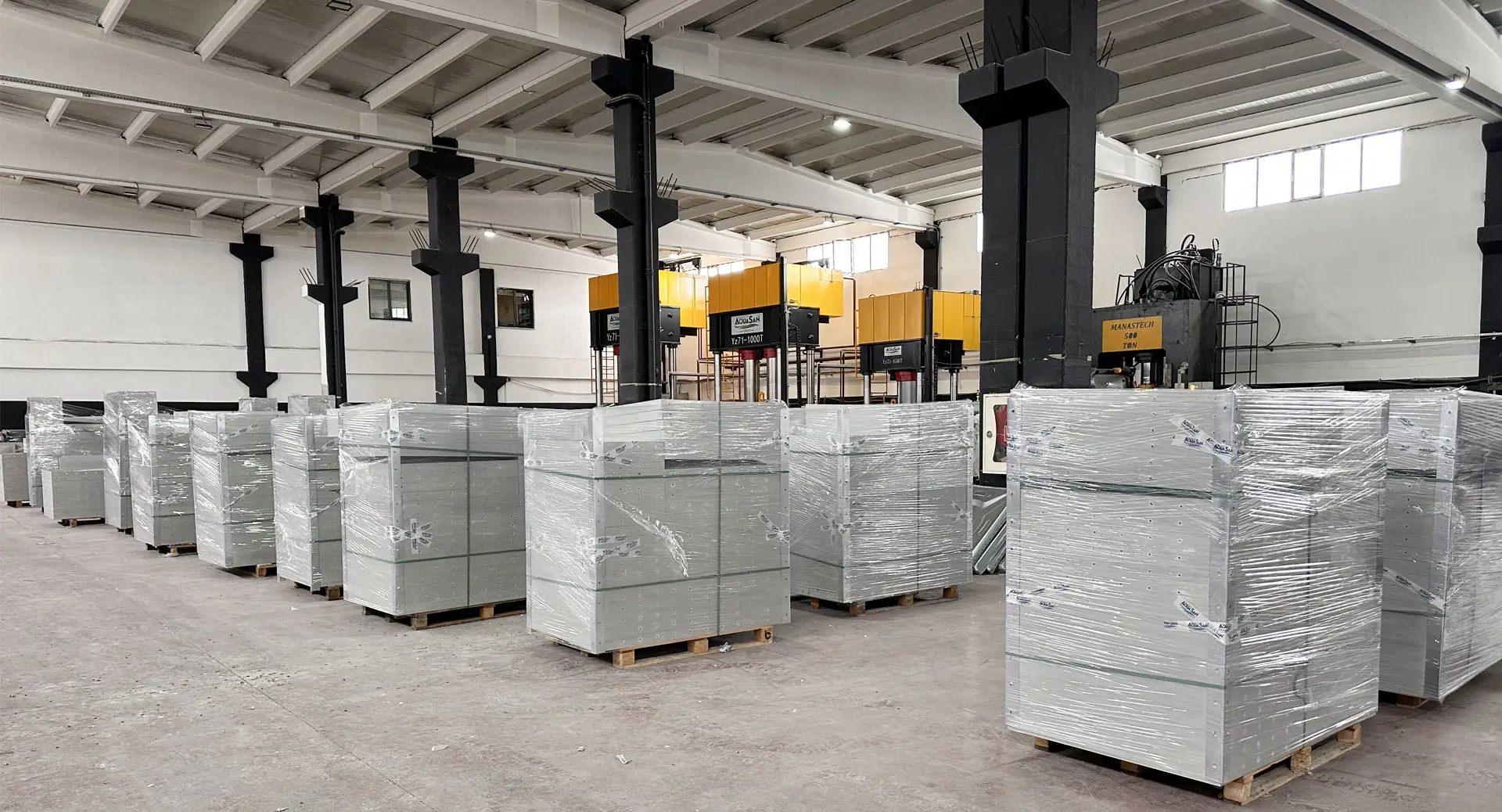
GRP water tank panels are made from unsaturated polyester composite reinforced with chopped glass fibre. The sheets are cured under pressure and heat on high-tonnage presses, in moulds heated to 150 °C. Panels measure 1000 × 1000 mm (half panel 1000 × 500 mm) and tank height ranges from 1.0 to 5.0 m in 0.5 m steps; tanks are produced in the required size and capacity. Tensile strength 99.5 MPa, flexural strength 165 MPa, pH (20 °C) 6.9, glass fibre content 32.1%, density 1.8 kg/dm³.
GRP WATER TANK
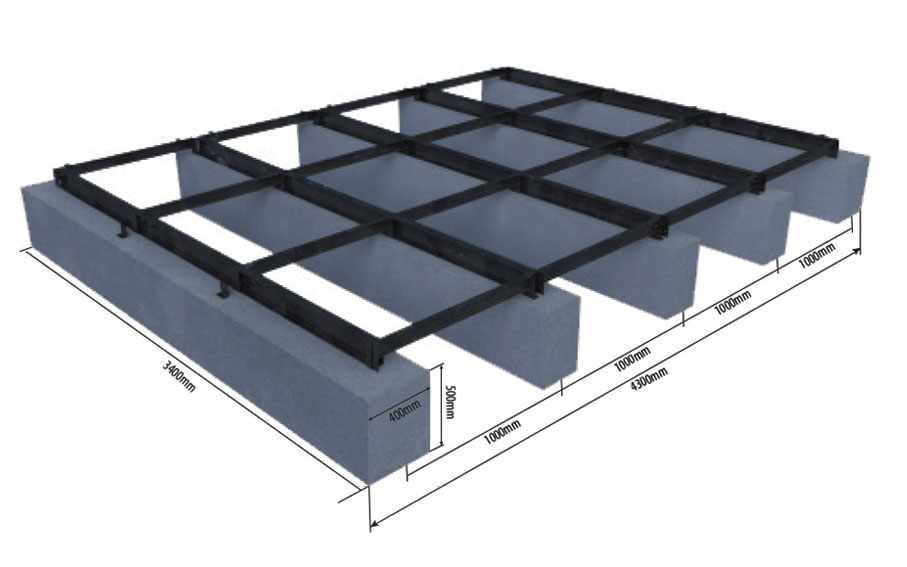
GRP Water Tank Top View
GRP Water Tank Panels
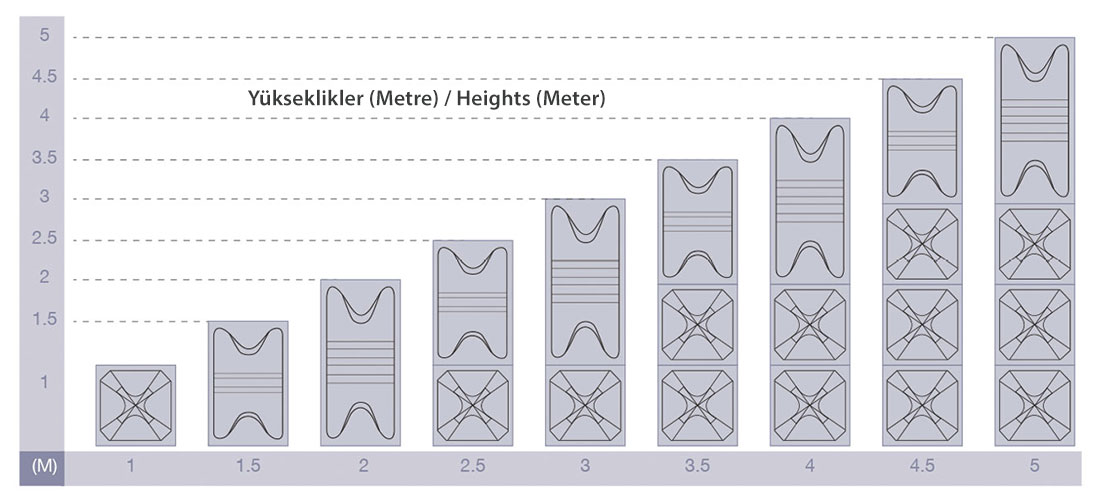
Height Configurations
GRP Water Tank Capacity Table
GRP WATER TANKS
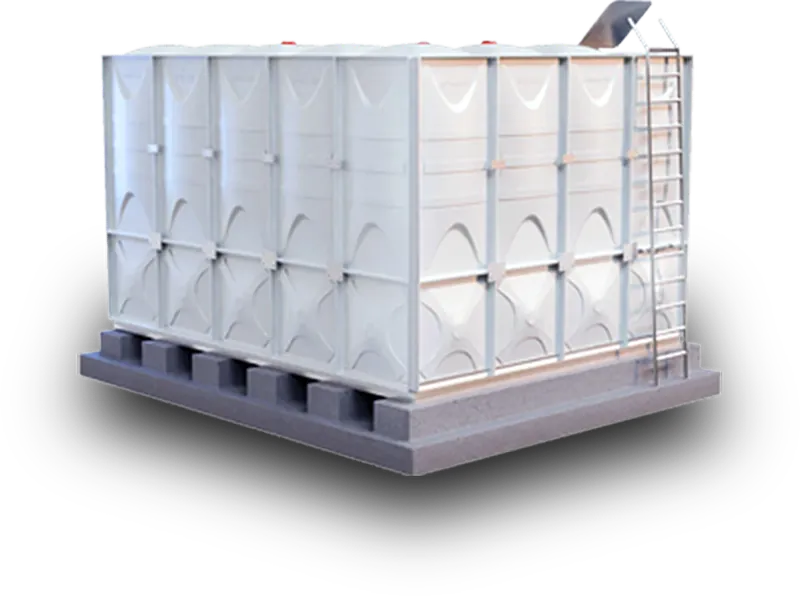
A GRP sectional water tank is a modular tank assembled on site from glass reinforced plastic panels bolted together (catalogue pp. 4–5). GRP stands for glass reinforced plastic, the material often simply called fibreglass, and these tanks are also known as GRP panel tanks or modular GRP tanks. In Turkey the same material is called CTP. For more on the material itself, see What is a GRP water tank?
The tank arrives as standard panels, not as a single shell: the panels sit on a galvanized steel skid over a concrete base and are bolted together, with no welding (catalogue pp. 9–10). Because each panel is carried in separately, the tank can be taken through narrow doorways and built inside existing buildings.
Aquasan GRP panels are not hand-laid: they are formed in high-tonnage presses in moulds heated to 150 °C, which leaves both faces smooth and fully cured (catalogue pp. 5–6). The resulting panels are:
According to the Aquatank 2026 catalogue, the GRP panel has a modulus of elasticity of 13,800 MPa, a Barcol hardness of 70 and a water absorption rate of 0.01%, and no heavy metals or phenol were detected in it (p. 8). The catalogue's table of physical properties:
| Property | Value |
|---|---|
| Tensile strength | 99.5 MPa |
| Flexural strength | 165 MPa |
| Modulus of elasticity | 13,800 MPa |
| Barcol hardness | 70 |
| Density | 1.8 kg/dm³ (steel: 7.85 kg/dm³) |
| Water absorption rate | 0.01% |
| Glass fibre content | 32.1% |
| Light transmission | None |
| Heavy metals | Not detected |
| pH (20 °C) | 6.9 |
| Phenol | Not detected |
A water absorption rate of 0.01% means the panel absorbs almost no water.
The standard GRP panel measures 1,000 × 1,000 mm, with 1,000 × 500 mm half panels used in the walls. Half panels let you set the tank height from 1.0 m to 5.0 m in 0.5 m steps: 1.0, 1.5, 2.0, 2.5, 3.0, 3.5, 4.0, 4.5 or 5.0 m (catalogue p. 8). Each panel type is pressed in a form suited to its job (p. 11):
| Panel | Role | Size |
|---|---|---|
| Wall panel | Forms the side walls; the embossed form stiffens the panel. | 1,000 × 1,000 mm and 1,000 × 500 mm |
| Floor panel | Convex form directs water pressure into the joints in the sealing direction. | 1,000 × 1,000 mm |
| Roof panel | Cross-ribbed form stiffens the roof; opaque to light. | 1,000 × 1,000 mm |
| Manhole panel | Roof panel that carries the manhole cover. | 1,000 × 1,000 mm |
| Drain panel | Sits at the lowest point of the floor so the tank drains fully. | 1,000 × 1,000 mm |
| Partition panel | Divides the tank into two compartments; both faces are made for water contact. | To suit tank height |
In a full tank, water pressure pushes the convex floor panels downwards, which compresses the flange joints and improves sealing. With flat floor panels the same pressure tries to force the joints open and can cause leaks over time (catalogue p. 11).
Width and length follow the 1,000 mm panel module, and height is chosen from 1.0 to 5.0 m in 0.5 m steps (catalogue pp. 5, 8, 11). The catalogue's partitioned-tank example also shows 2 × 1.5 × 2 m tanks (p. 13), so half-metre plan dimensions may be possible; confirm the exact footprint for your project with us.
The gross volume of a GRP sectional tank is width × length × height in metres, and 1 m³ of water weighs about 1 tonne. A 4 × 5 × 3 m tank, for example, has a gross volume of 60 m³ and holds roughly 60 tonnes of water when full. Each GRP tank is sized to the available space and the volume required, and the usable volume is confirmed at the quotation stage. For example sizes by capacity, see sectional water tank sizes.
Aquasan GRP panels are designed with a safety margin against water, dead load, snow, wind and seismic forces (catalogue p. 12). The design conditions in the catalogue are:
| Load | Design condition |
|---|---|
| Seismic load | Designed with seismic coefficients Kh = 2/3 (horizontal) and Kv = 1/3 (vertical). |
| Hydrostatic pressure | After 48 hours full, side wall deflection does not exceed 1% of the total height. |
| Snow load | Designed for 60 kgf/m² (30 cm of snow); the roof carries 200 kgf/m². |
| Wind load | Designed for 255 kgf/m²; withstands 60 m/s wind even when empty. |
| Water temperature | Normally below 30 °C, maximum 50 °C. Special versions are made for thermal spring water. |
Panel joints are sealed with a special PVC foam tape that stays flexible and adhesive at low temperatures and recovers 96% of its thickness 24 hours after compression. Tape widths are 50 mm for standard joints, 120 mm for corners and 30 mm for the roof (catalogue p. 12).
An Aquasan GRP tank consists of panels, an internal stay system, galvanized supports and fittings, all bolted together on site (catalogue p. 10). The main parts are:
The skid is built from hot-dip galvanized profiles bolted together, with no welding (catalogue p. 13). Recommended sections by tank height:
| Tank height | Main beam | Cross beam |
|---|---|---|
| 1–2 m | L 75 × 75 × 6 mm | U 75 × 40 × 3 mm |
| 2.5–4 m | U 125 × 65 × 6.5 × 8 mm | U 75 × 40 × 6 mm |
| 4.5–5 m | U 150 × 75 × 8 × 10 mm | U 100 × 50 × 6 mm |
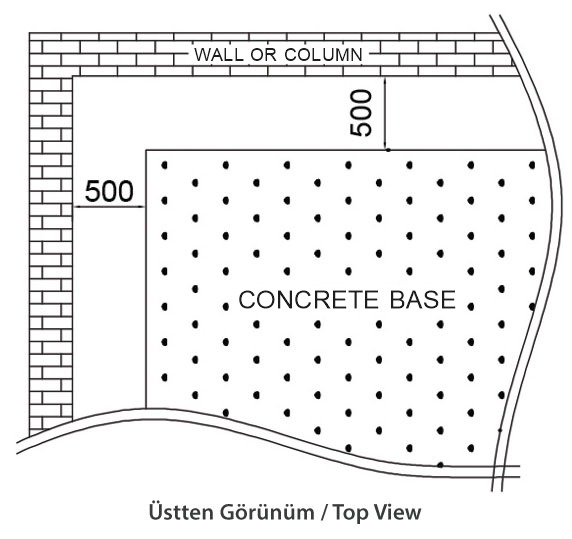
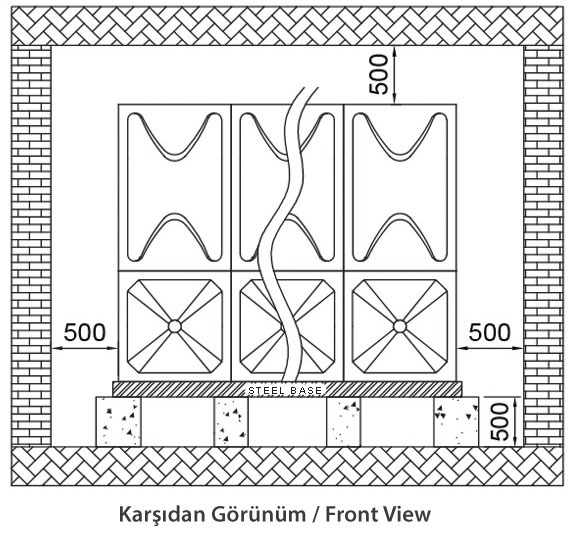
Profiles are recalculated for site conditions and each project. The concrete base needs a compressive strength of at least 180 kg/cm² and levelling mortar of no more than 20 mm, and 500 mm of clearance is left to walls, columns and the ceiling (catalogue pp. 9, 13).
Connection sizes depend on tank capacity (catalogue p. 13):
| Capacity | Inlet | Outlet | Overflow | Drain |
|---|---|---|---|---|
| 1–10 m³ | DN 25 | DN 50 | DN 50 | DN 25 |
| 11–20 m³ | DN 40 | DN 50 | DN 50 | DN 40 |
| 21–50 m³ | DN 50 | DN 65 | DN 65 | DN 40 |
| 51–100 m³ | DN 65 | DN 80 | DN 80 | DN 50 |
| 101–200 m³ | DN 80 | DN 100 | DN 100 | DN 50 |
| 201–500 m³ | DN 100 | DN 125 | DN 125 | DN 80 |
| 501 m³ and above | DN 125 | DN 150 | DN 150 | DN 80 |
Sizes can be changed per project. Pipework must be supported separately so that it puts no load on the tank. For base preparation and assembly steps, see sectional water tank installation.
For very hot or very cold climates, GRP panels can be supplied thermally insulated on request (catalogue pp. 5, 12). The insulated panel has 25 mm of polyurethane foam between the GRP panel and a protective cover; this three-layer build prevents condensation on the outside and minimizes temperature change in the stored water. The foam contains no CFCs or HCFCs.
| Tank type | Thermal conductivity (kcal/m·h·°C) | Overall heat transfer coefficient, water–panel–air (kcal/m²·h·°C) |
|---|---|---|
| Steel | 37.0 | 24 |
| GRP (uninsulated) | 0.15 | 5 |
| GRP (insulated) | 0.02 | 1 |
Even an uninsulated GRP panel conducts far less heat than steel; insulation cuts the overall heat transfer coefficient from 5 to 1.
In the comparison published in the Aquatank catalogue (p. 7), a GRP panel tank matches or beats a concrete tank on every criterion, while a stainless steel tank rates higher than GRP for water quality, durability, transport and recycling:
| Criterion | GRP panel tank | Concrete tank | Stainless steel tank |
|---|---|---|---|
| Water quality | Good | Poor | Very good |
| Watertightness | Very good | Fair | Very good |
| Durability | Good | Fair | Very good |
| Transport | Fair | Poor | Very good |
| Maintenance | Very good | Poor | Very good |
| Corrosion resistance | Very good | Fair | Very good |
| Installation | Very good | Fair | Very good |
| Recycling | Poor | Poor | Very good |
The strengths of GRP are that it is opaque, algae-free and suitable for outdoor installation (catalogue p. 4). Where hygiene comes first, consider a stainless steel sectional tank; for a high-strength, economical option, see our galvanized water tanks. For a fuller comparison that includes galvanized steel, see GRP vs stainless steel vs galvanized water tanks.
GRP sectional tanks can be installed indoors or outdoors and are used to store drinking, fire, utility and process water (catalogue pp. 5, 23). Applications listed in the catalogue for modular tanks (p. 4):
Drinking water and fire water can share one tank, separated by a partition panel. Because separate tanks need a 1 m maintenance gap between them, a partitioned tank holds more water on the same footprint: two separate 2 × 1.5 × 2 m tanks hold 12 tonnes in total, while a 2 × 4 × 2 m partitioned tank on the same area holds 16 tonnes (catalogue p. 13).
Tanks can be built in rectangular, L-shaped or U-shaped layouts and around columns (catalogue p. 9). For a rooftop tank, allow for about 1 tonne of load per m³ of water and have the supporting structure checked by a structural engineer.
GRP tank prices are worked out per project, based on capacity, size, location and options such as insulation. To prepare a quote we need (catalogue p. 23):
Send these through our quote form. Aquasan's own teams install and test the tank on site, and products carry a 2-year warranty (catalogue pp. 3, 18). For the main cost factors, see sectional water tank price.
Standard panels are 1,000 × 1,000 mm, with 1,000 × 500 mm half panels used in the walls to adjust the height. Floor, roof, manhole and drain panels are also 1,000 × 1,000 mm; partition panels are made to suit the tank height.
Heights run from 1.0 m to 5.0 m in 0.5 m steps, with 1,000 × 500 mm half panels used for the intermediate heights. Leave 500 mm of clearance above the tank, and add the height of the concrete base and steel skid when checking the ceiling height. Tank height also sets the skid size: L 75 × 75 × 6 mm main beams are recommended for 1–2 m, U 150 × 75 × 8 × 10 mm for 4.5–5 m.
Yes. The catalogue lists GRP tanks for both indoor and outdoor use; the panels are UV resistant, opaque and do not corrode. The tank is designed to withstand 60 m/s wind when empty and a roof snow load of 200 kgf/m², and insulated panels are available for very hot or very cold climates.
No. The panels transmit no light, so algae and bacteria do not form inside the tank. Tanks should still be cleaned and disinfected at regular intervals; the convex floor and drain panel let dirty water and sediment drain out completely. Aquasan offers periodic maintenance covering cleaning, disinfection and inspection.
Not always. Insulation is supplied on request for very hot or very cold climates: 25 mm of CFC- and HCFC-free polyurethane foam sits between the GRP panel and a protective cover, which prevents condensation on the outside and limits temperature change in the water.
The catalogue states that the food-contact suitability of the GRP panels is documented by laboratory reports (pp. 6, 21). No heavy metals or phenol were detected in the panel, its pH at 20 °C is 6.9, and because the panels are opaque, no algae or bacteria form inside the tank. For what to look for in a potable water tank, see Drinking water storage tanks. See our Certificates page for documentation.
GRP PROJECTS
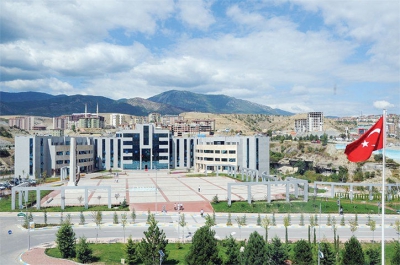
Turkey
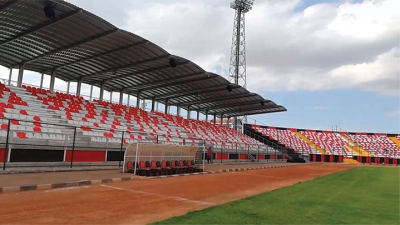
Turkey
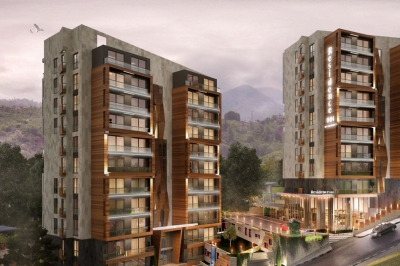
Turkey
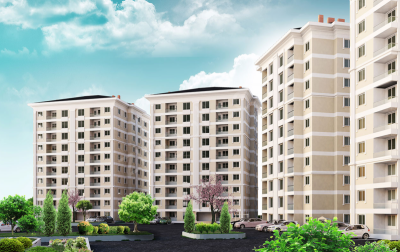
Turkey
Turkey
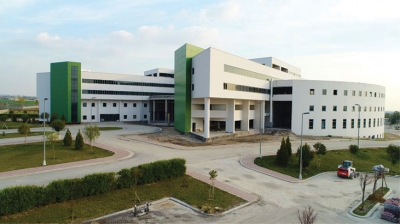
Turkey
Turkey
Turkey
Plan an online meeting with our experts to learn about modular water storage technologies and get a project and price quote.
Get a Quote!We use cookies to improve our website and measure our advertising. If you accept, analytics and advertising cookies are enabled; if you decline, only essential cookies are used. Cookie Policy